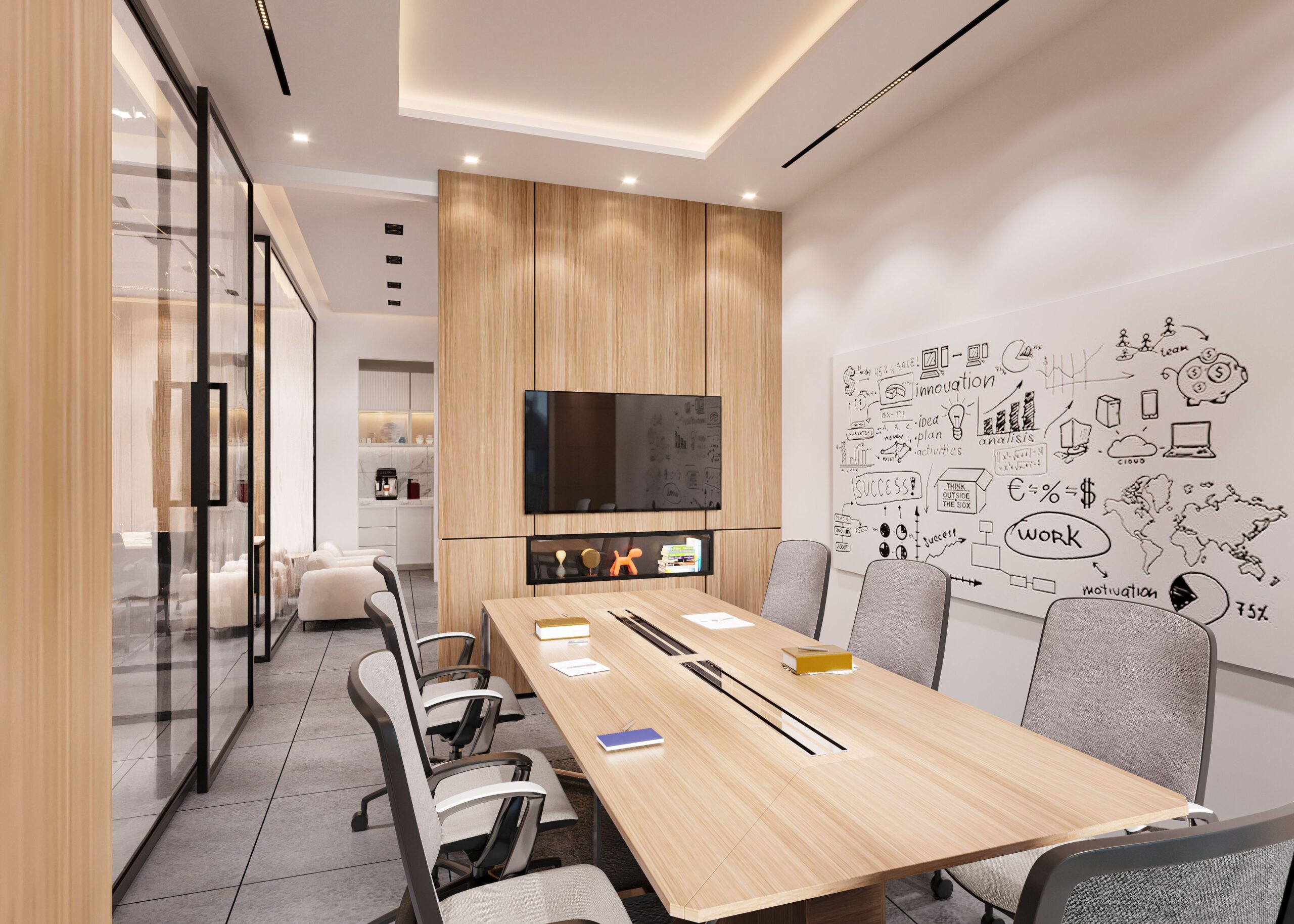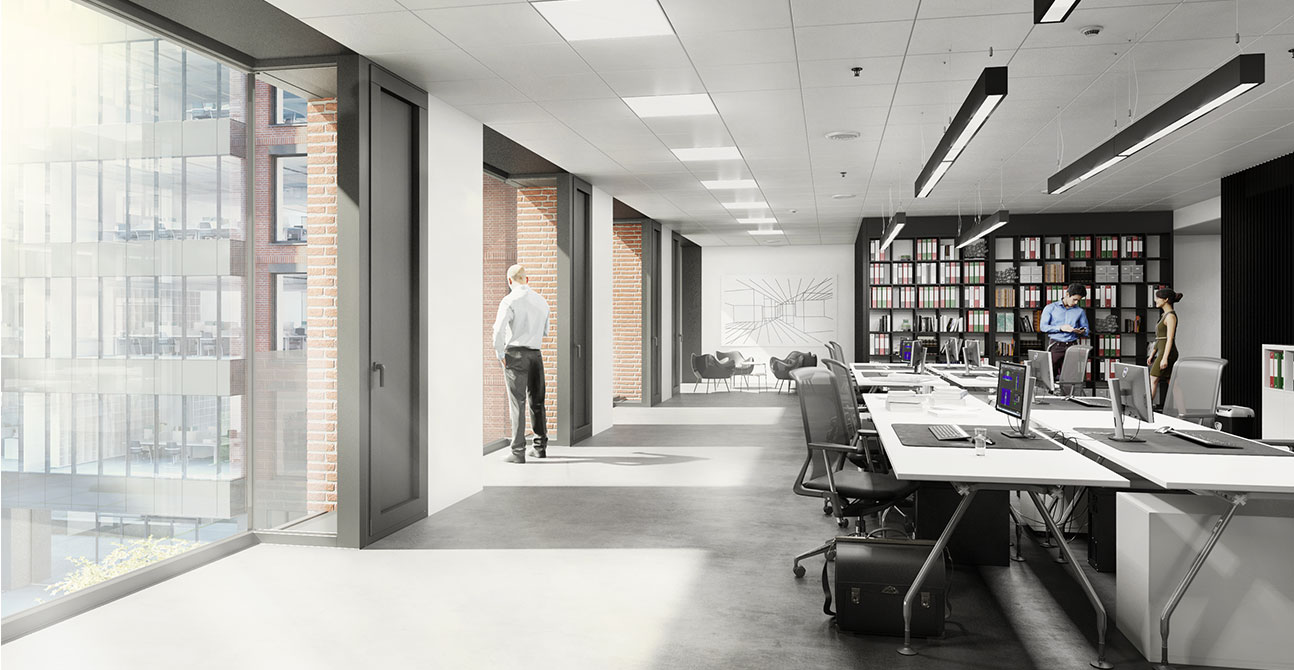

Just a few years ago, the office was primarily a place employees came to in order to do their work. Today, it is increasingly becoming one of the elements of a company’s strategy. Alongside remuneration, benefits, organisational culture and development opportunities, the quality of the workplace is playing an increasingly important role.
This shift is particularly visible from a People & Culture perspective. Companies now compete not only for clients, but also for the best employees. As a result, they are paying more attention to every aspect of the everyday employee experience. What matters is not only how much people earn, but also where they work, how they feel there and what the space says about the company they are joining.
That is why office quality is no longer purely a matter of aesthetics. A well-designed workplace can support engagement, team integration, recruitment and employer branding.
The office is part of the employee experience

Employee experience, meaning the overall experience an employee has with a company, goes far beyond their relationship with a manager or the scope of their responsibilities. It is the sum of everyday interactions with the organisation, including the seemingly small ones.
The first impression when entering the office. The comfort of the workstation. Access to places where employees can talk in peace. The ability to focus without constant noise. Space for team meetings. A kitchen, a breakout area or somewhere for an informal conversation. Each of these elements shapes how employees perceive their workplace.
A good office will not solve every organisational problem. It cannot replace a healthy culture, competent leadership or attractive pay. It can, however, strengthen positive experiences and show employees that the company has consciously designed the environment in which they spend a significant part of their day.
This is particularly important in a hybrid working model. If employees can carry out some tasks from home, the office needs to offer more than a desk and an internet connection. It should be a place they want to come to and feel is worth coming to.
Younger generations see the workplace differently

For younger employees, the working environment is a natural part of how they assess an employer. The generations entering the labour market today are used to paying attention to user experience, such as aesthetics and convenience, and they bring similar expectations to their professional lives.
For them, a modern office can be a sign that the organisation is open and aware of employees’ needs today. An outdated, uncomfortable space that does not match the way people work, on the other hand, can create quite the opposite impression.
This is not about fashionable design for its own sake. Above all, young employees expect a sensibly designed workplace: the option to choose between focused work and collaboration, comfort, access to daylight, good acoustics and a space that suits different working styles.
Space can bring people together

One of the biggest challenges for modern organisations is building relationships within teams that do not always work together in the same place. Technology makes effective remote collaboration possible, but it does not always replace spontaneous interactions, such as a quick conversation over coffee or an unexpected encounter with someone from another department. These small moments often help create a sense of belonging within the organisation.
That is why office space can play an important role in bringing people together. Well-designed shared areas encourage interaction, support collaboration and create opportunities for building relationships outside formal structures. In practice, this means moving away from thinking of the office simply as a collection of workstations. A good office should support the way people actually work together.
Can an attractive office help with recruitment?
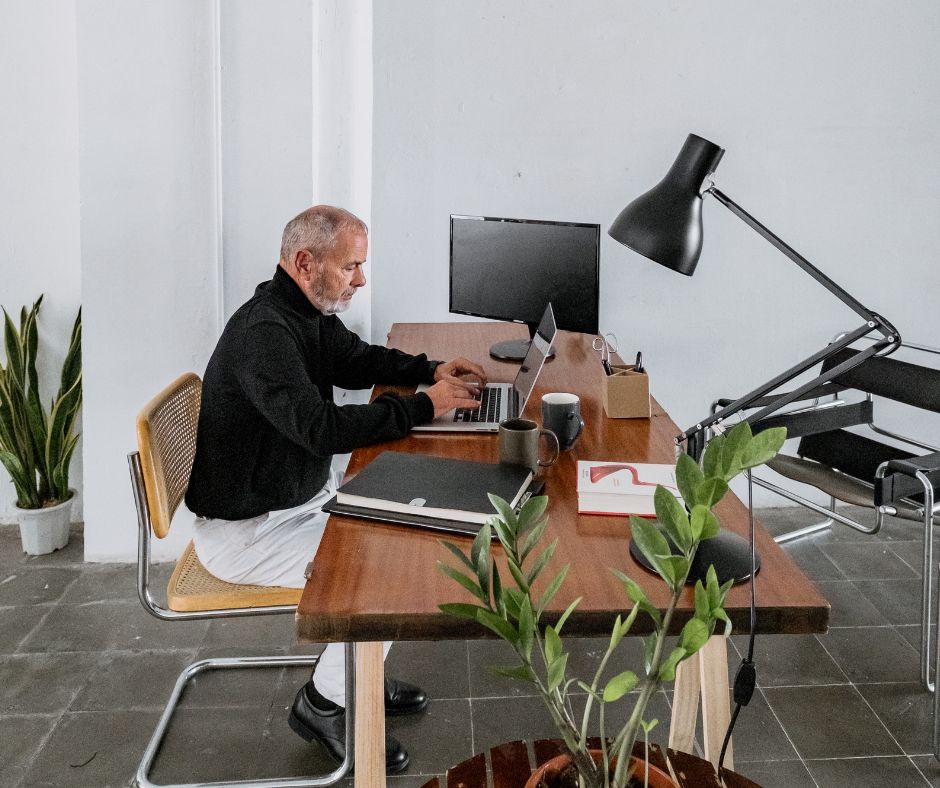
A candidate gets to know a company before signing a contract. They browse its website and social media, read employee reviews, speak with a recruiter and often visit the office. At that point, the workplace becomes a very tangible part of the employer brand.
If a company communicates a modern approach to employees, collaboration and flexibility, but the candidate arrives at a workplace that reflects none of those values, a clear gap appears between the message and the reality. A well-designed, consistent space can reinforce the employer promise and show how the organisation works without the need for additional explanation.
This does not mean, of course, that a candidate will choose a company solely because of an attractive office. However, when several organisations offer a similar role, salary and development opportunities, the quality of the working environment can become one of the factors that influences the final decision.
The office says a lot about the employer
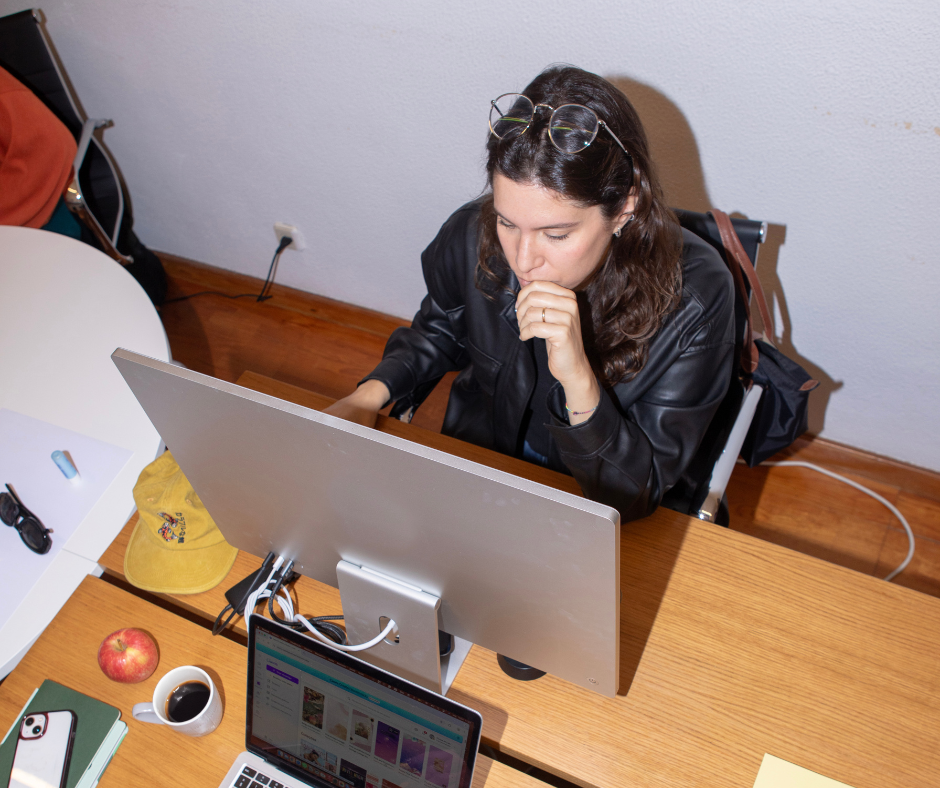
Office space is one of the most tangible expressions of organisational culture. A company that invests in employee comfort and wellbeing sends a clear message: people are an important part of our business.
The workplace can also reflect the way a company is managed. An open and flexible organisation may need spaces that support collaboration and knowledge sharing. A company whose work requires concentration should provide the right conditions for focused work. An organisation built around meetings and creativity may need a variety of spaces for project work. What matters most, therefore, is not simply how attractive the office looks, but how well it is aligned with the people, culture and business model of the company.
A good office for great people? Today, it is more than a slogan. It is a conscious business decision.